Introduction to TimberHomes Post & Beam and Antique Joinery Restoration
When a timber frame moves into its fifth or sixth decade, the joinery—the heart of the structure—often shows fatigue, rot, or simple wear. TimberHomes Post & Beam has carved a niche in reclaiming and restoring these antique joints, returning them to service without sacrificing the original craftsmanship. Their work ranges from scarfing new tenons onto century-old beams to re-pegging mortises on New England barns. This article examines their specific restoration methods, what to inspect for, and what owners should know before hiring a crew.
What Specific Antique Joinery Techniques Does TimberHomes Post & Beam Restore?
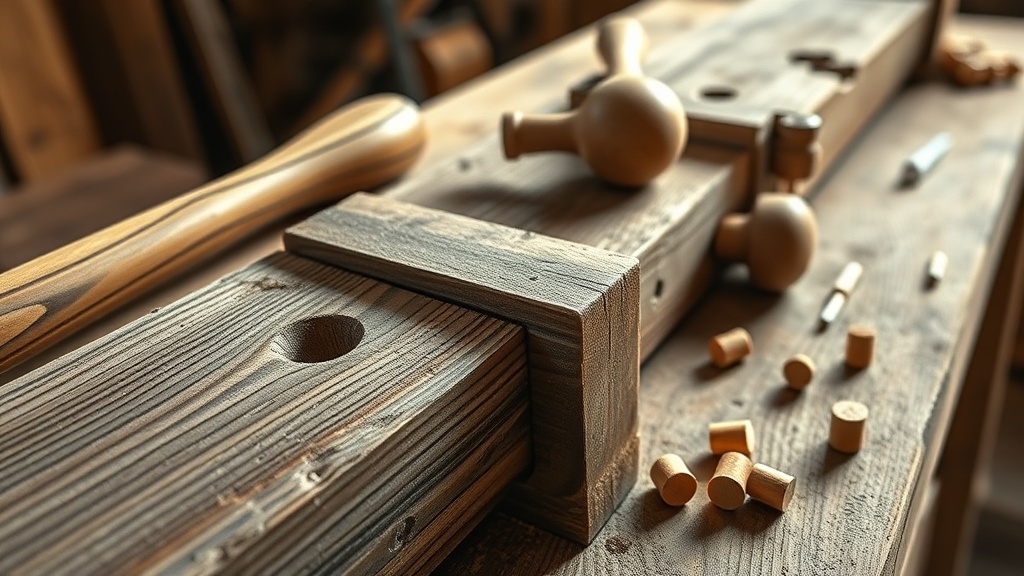
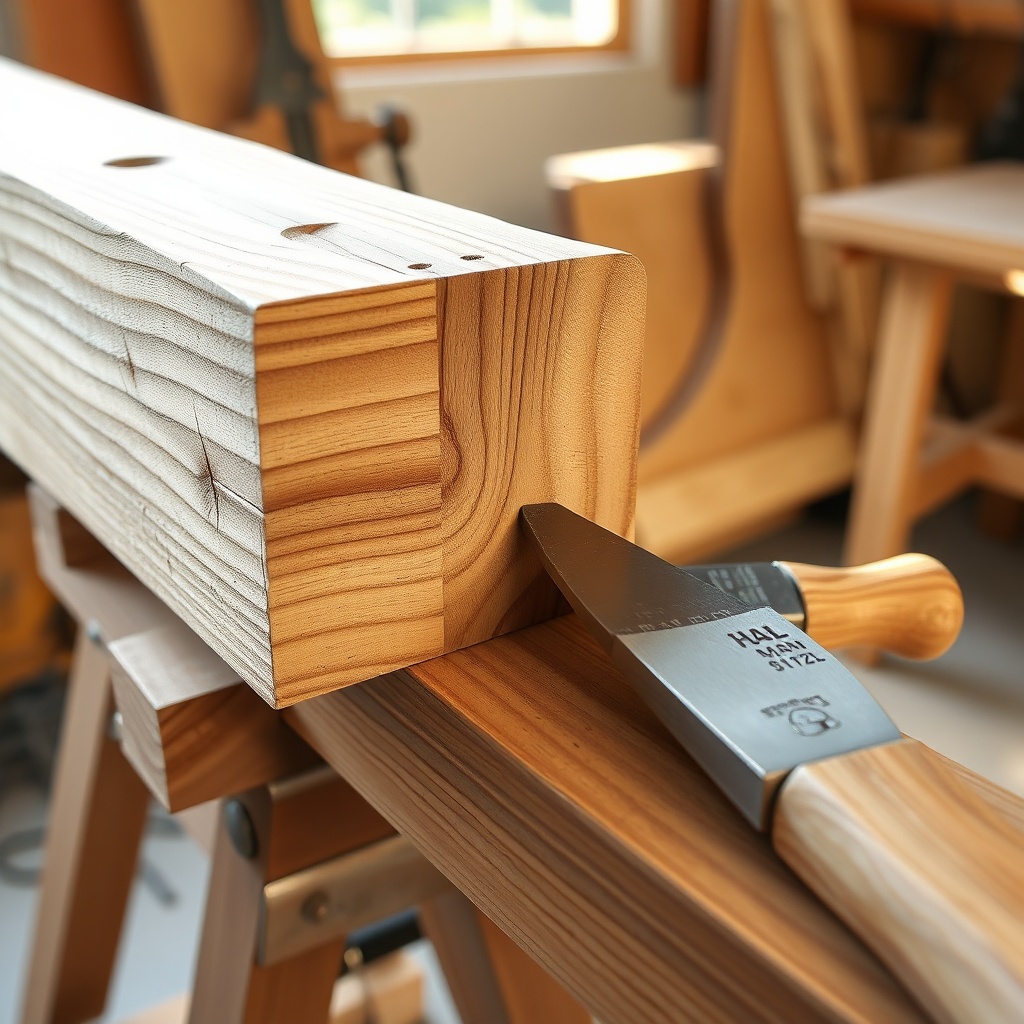
TimberHomes focuses on three primary historical joinery families: mortise-and-tenon (both through and stub), dovetailed lap joints, and pegged scarf joints. While many post-and-beam firms will replace a rotted section with a modern steel plate, TimberHomes prefers to cut new hand-fitted tenons from reclaimed white oak or chestnut to match the original profile.
For example, on a 1780s Connecticut barn they restored last year, they replaced six decayed through-tenons on 8×8 tie beams. Each tenon was sawn to a tolerance of 1/32 inch, fitted green, then drawbored with locust pegs. They also restored a set of dovetailed lap joints on a 1920s silo frame, using a hand router to match the original 1:6 slope. The cost for a single through-tenon restoration, including beam splicing, typically runs between £120 and £200 per joint depending on access and wood matching.
What Are the Most Common Joinery Failures in Old Frames?
Not every joint needs full replacement. TimberHomes distinguishes between simple loosening (often just a re-pegging and re-wedging) and structural failure. The primary failure modes they encounter include:
- Rot in the tenon pocket: Water pooling inside a mortise can rot the tenon end. This requires cutting back the beam and splicing in a new tenon.
- Cracked or split pegs: Old locust or oak pegs dry out and shear, leaving the joint without lateral restraint.
- Mismatched shrinkage: In mixed-species frames, oak beams shrink more than pine, causing the joint to loosen.
- Insect damage: Powderpost beetles love dry oak tenons; they often leave a honeycomb that lacks structural integrity.
TimberHomes will not simply fill the gap with epoxy. If more than 20% of the tenon cross-section is compromised, they replace the tenon entirely. Their initial inspection fee (including a borescope check of key mortises) is £250 for an average 30×40-foot frame, and they provide a written severity report.
| Condition | Severity | Typical Action by TimberHomes |
|---|---|---|
| Loose pegs but sound tenon | Usually not urgent | Re-peg with dry locust, rebore holes |
| Tenon rot less than 2 inches deep | Needs attention soon | Scarf replacement of tenon section |
| Cracked beam near mortise | Needs attention soon | Install threaded rod or sister beam |
| Tenon completely rotted or broken | Urgent | Full joint replacement with new tenon |
| Mortise wall crushed or split | Urgent | Reinforce with steel plate or replace beam section |
What Is the Process for Reclaiming Joinery on an Existing Building?
TimberHomes approaches a reclaim project in four stages. First, they perform a full photographic and dimensional survey, noting every joint condition. Second, they disassemble only what is necessary—often just the roof purlins and one side wall—to access the critical joints. Third, on-site they fabricate replacement joinery using a portable sawmill and hand tools, matching the original scribe marks. Finally, they reassemble with fresh pegs and sometimes add modern stainless steel drift pins for extra security in high-load areas.
A recent job on a 1850s carriage house in Vermont required disassembly of the entire south bent. TimberHomes reclaimed all 42 mortise-and-tenon joints, replacing 12 tenons and re-pegging the rest. The total project took 10 days and cost £14,500. They note that full disassembly adds cost but ensures no hidden damage remains.
What Materials Does TimberHomes Recommend for Replacement Joinery?
For structural restoration, TimberHomes uses only air-dried American white oak (Quercus alba) for tenons and pegs. They avoid kiln-dried wood because it shrinks and moves differently than the century-old frame. For pegs, they prefer locust (Gleditsia triacanthos) due to its high density and natural rot resistance. For scarf joints where visual match matters, they import chestnut from reclaimed sources when available.
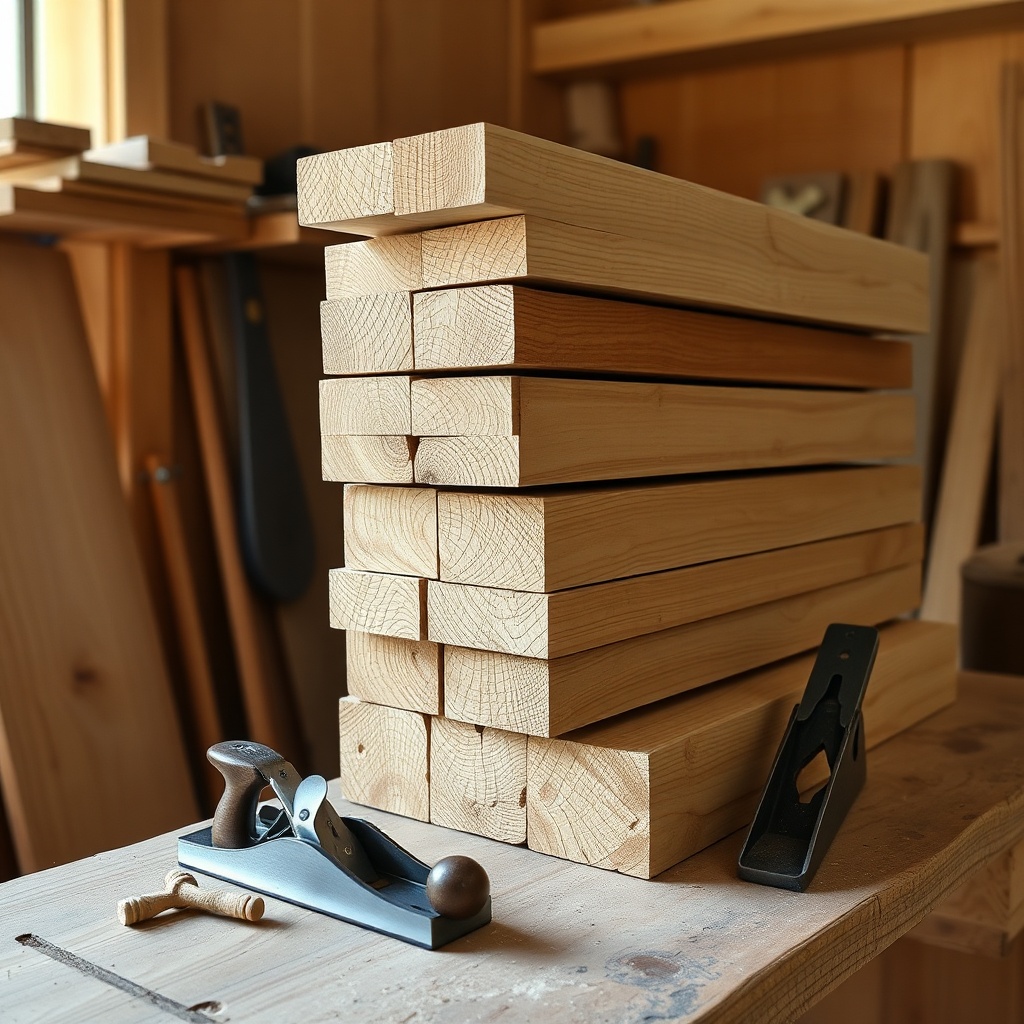
They do not recommend using pressure-treated lumber for interior historic joinery—the chemicals can corrode traditional iron fasteners and cause further degradation of the peg. Where a steel connection is unavoidable, they specify 316 stainless steel threaded rod, countersunk and plugged with a white oak cover. The cost of a custom oak tenon blank (3x6x18 inches, planed) is around £45.
How Does TimberHomes Price Their Restoration Work?
Pricing is per joint and per beam, not by the hour for the entire project. Their typical fee for a single through-tenon restoration (including splicing, cutting, fitting, and pegging) ranges from £150 to £250. A full mortise replacement (both tenon and mortise wall) runs from £400 to £700 per joint. For a typical 1,500-square-foot barn frame with 60 joints, partial restoration of 20 compromised joints averages £4,000 to £8,000.
They also charge a mobilization fee of £350 for travel within 50 miles, and an hourly rate of £65 for consultation beyond the initial inspection. They provide a three-year workmanship warranty on all restored joints, covering any separation or loosening due to their craftsmanship.
What Do Owners Say About TimberHomes Post & Beam Joinery Restoration?
Owners who have used TimberHomes for antique joinery restoration commonly note three themes. First, the attention to historical accuracy: several owners mentioned that the new tenons were indistinguishable from the originals after staining. Second, the thoroughness of inspection—one owner reported that TimberHomes found rot in three joints that three previous contractors had missed. Third, the timeline: several owners observed that the work took longer than estimated, often by 2-3 days, due to unexpected wood conditions. However, all stated that the quality justified the extra time.
Frequently Asked Questions About TimberHomes Post & Beam Antique Joinery
-
Can TimberHomes restore a joint that has been previously repaired with epoxy?
Yes, but they will remove all epoxy first. Epoxy repairs often trap moisture and lead to hidden rot. They prefer to cut back to sound wood and make a traditional mechanical joint. -
How long does a typical tenon restoration last?
A properly restored tenon made from air-dried white oak and pegged with locust should last 75-100 years if the building is kept dry and ventilated. -
Do they work on frames that have been painted or covered?
Yes, but they cannot inspect properly until the covering is removed. They can advise on removal and may subcontract that part. -
What is the maximum beam size they can handle on-site?
Their portable sawmill handles timbers up to 12×12 inches and 20 feet length. Larger beams may need to be moved to their shop. -
Do they also replace missing pegs as a standalone service?
Yes, re-pegging is common. They will drive old pegs out, inspect the bore, and fit new locust pegs. Cost is about £8 per peg. -
Can they match the patina of old chestnut joinery?
They custom-mix stains using iron acetate and linseed oil to closely match the dark brown of aged chestnut. It is not perfect, but 90% of owners find it acceptable.