Introduction
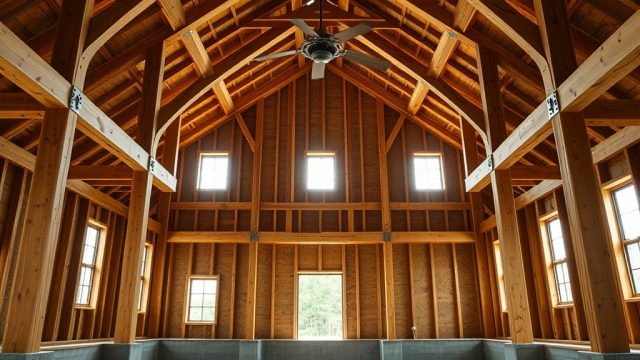
Yankee Barn Homes Lincoln, a hallmark of post-and-beam construction in New England, demands hardware that matches its heritage. Selecting the correct bolt hardware for heavy timber connections is not just about structural safety—it is about preserving the barn’s character while meeting modern load requirements. This guide examines the bolt specifications, bracing hardware options, and installation techniques specific to Lincoln models, ensuring your barn stands for generations.
What Bolt Grades Are Required for Yankee Barn Homes Lincoln Timber Connections?
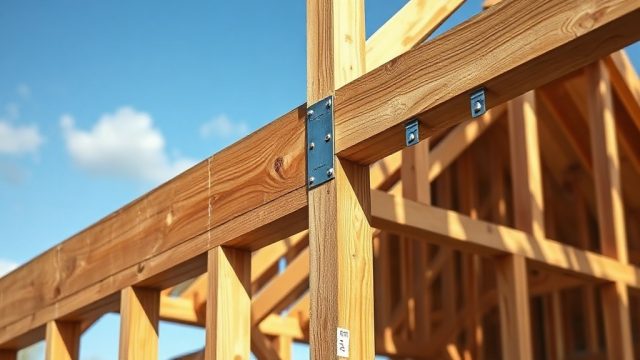
For Yankee Barn Homes Lincoln, the bolt grade directly affects connection strength and longevity. Standard construction bolts (Grade 2) are insufficient for heavy timber; instead, use Grade 5 or ASTM A325 bolts. Grade 5 bolts offer 120,000 psi tensile strength, ideal for main post-to-beam connections in Lincoln models. For critical bracing points—such as knee braces and collar ties—ASTM A325 structural bolts (120,000–150,000 psi) are recommended, especially in regions with seismic or heavy snow loads. Always specify hot-dipped galvanized finish for exterior or exposed connections to prevent corrosion. A typical ¾-inch Grade 5 hex bolt costs about £4.50–£7.00 per unit, while ASTM A325 bolts range from £6.00–£10.00, depending on length and coating.
How Does Bolt Diameter Affect Bracing Hardware in Lincoln Barns?
Bolt diameter must match timber thickness and load requirements. In Yankee Barn Homes Lincoln, common timber sizes are 6×6 posts and 4×10 beams. The minimum recommended bolt diameter is ¾-inch for main connections, with ⅝-inch acceptable for secondary bracing. Too small a bolt leads to excessive stress on the wood; too large can split the timber. For bracing hardware like steel gusset plates or L-brackets, use bolts with diameters that fill at least 40% of the wood member’s width. For example, a 4-inch-wide rafter should use a minimum 1½-inch-diameter bolt. A typical ¾-inch-by-6-inch galvanized bolt costs approximately £3.20–£5.50.
Galvanized vs. Stainless Steel Bolts: Which Protects Better in Yankee Barn Homes Lincoln?
Moisture intrusion is a primary concern for barns in Lincoln’s humid climate. Hot-dipped galvanized bolts are the industry standard, offering corrosion resistance at a lower cost (approx. £4.00–£8.00 per bolt). Stainless steel bolts (304 or 316 grade) provide superior protection but cost 3–4 times more (approx. £15.00–£30.00 per bolt). For interior connections in dry conditions, galvanized is sufficient. For exterior bracing hardware—such as tie-down anchors or exposed knee braces—stainless steel eliminates rust streaks that can disfigure timber. A comparison:
| Hot-dipped Galvanized (¾” x 6″) | £4.50 | Grade 5 | Good interior/exterior (dry) | 30+ years |
| Stainless Steel 304 (¾” x 6″) | £18.00 | Grade 316 | Excellent exterior, coastal | 50+ years |
| ASTM A325 Galvanized (¾” x 6″) | £7.50 | 120 ksi | Structural bracing, heavy loads | 40+ years |
For more on bracing hardware techniques, see Yankee Barn Homes Lincoln: Advanced Timber Joinery and Bracing Hardware Techniques.
What Are the Best Bracing Hardware Options for Yankee Barn Homes Lincoln Framing?
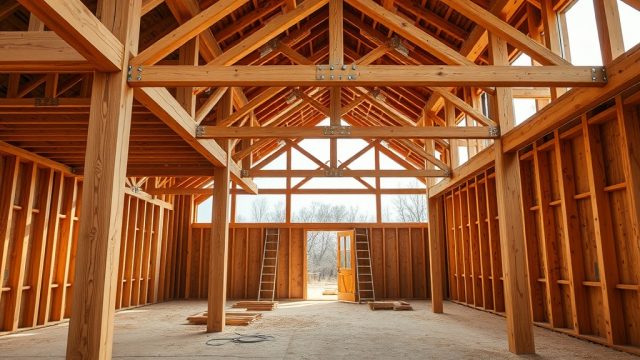
Bracing hardware must integrate with traditional joinery. For Lincoln models, these options excel:
- Steel Gusset Plates (¼-inch thick, galvanized) for rafter-to-post connections. Use 4–6 bolts per plate; cost approx. £12–£25 per plate.
- Heavy-Duty L-Brackets (for knee braces). Pre-drilled for ¾-inch bolts; cost approx. £8–£15 each.
- Adjustable Tension Systems (for roof trusses) with threaded rods and turnbuckles. Cost approx. £50–£120 per assembly.
- Timbolts (expanding bolts) for retrofit connections. Cost approx. £10–£20 each.
Always use washers under nuts to prevent wood crushing. For a deeper dive into joinery, read Yankee Barn Homes Lincoln: Timber Joinery for Historic Reproduction.
How to Calculate Bolt Spacing and Edge Distance for Lincoln Barns
Proper bolt spacing prevents timber splitting. For Yankee Barn Homes Lincoln, follow these rules:
- End distance (from bolt center to timber end): minimum 7 times bolt diameter.
- Edge distance (from bolt center to timber edge): minimum 1.5 times bolt diameter.
- Spacing between bolts (center to center): minimum 4 times bolt diameter for wood-to-wood connections.
- For steel-to-wood connections, spacing can be 3 times bolt diameter.
For example, a ¾-inch bolt requires end distance of 5.25 inches, edge distance of 1.125 inches, and spacing of 3 inches. Exceeding these values weakens the joint; less risks splitting. Use pre-drilled guide jigs to maintain accuracy. For foundation tie-downs, see Yankee Barn Homes Lincoln: Stone Foundation Repair and Retrofit Techniques.
What Owners Say: Bolt Hardware Performance in Yankee Barn Homes Lincoln
Owners of Yankee Barn Homes Lincoln consistently report that using Grade 5 or ASTM A325 bolts combined with galvanized finishes prevents loosening over decades. One owner from Vermont noted, “After 20 years, the bolts on my bracing haven’t needed re-torquing. The hot-dipped coating shows only minor surface rust.” Another Massachusetts owner emphasized the importance of washers: “The cost of stainless steel washers is negligible compared to replacing crushed timber. I use them everywhere.” For rafter stability, several owners recommend Yankee Barn Homes Lincoln: Rafter Blocking Installation for Enhanced Roof Stability. The consensus: invest in proper hardware upfront to avoid future structural repairs.
Frequently Asked Questions
1. Can I use regular steel bolts from a hardware store for my Lincoln barn?
Regular Grade 2 bolts lack the tensile strength for heavy timber connections. Use Grade 5 or higher to ensure safety, especially for bracing hardware.
2. What is the cost difference between galvanized and stainless steel bolts for a typical barn?
For a 50-bolt project, galvanized costs approximately £200–£400, while stainless steel runs £750–£1,500. The longevity of stainless justifies the premium in exterior applications.
3. How do I prevent bolts from loosening over time?
Use lock washers or thread-locking compound (Loctite) on all connections. Re-torque after the first year of settling. For critical bracing, inspect annually.
4. Are there specific bolt types for timber joinery in historic reproduction?
Yes. For historic accuracy, use square-head bolts or carriage bolts with domed heads. These mimic traditional fasteners while providing modern strength. Read Yankee Barn Homes Lincoln: Timber Joinery for Historic Reproduction.
5. Can I combine bolts with traditional wooden pegs in Lincoln barn bracing?
Yes. Many owners use bolts at critical load points and wooden pegs for aesthetic joinery. Ensure bolts are not exposed to moisture where they touch pea-pecan.
6. Should I use a portable sawmill to cut custom beams for bracing modifications?
For custom replacement beams, a portable sawmill gives control over grain and dimensions. See Yankee Barn Homes Lincoln: Comparing Portable Sawmills for Custom Beams for options.