Introduction to TimberHomes Post & Beam Joinery Troubleshooting
TimberHomes Post & Beam structures are celebrated for their enduring craftsmanship and aesthetic appeal, yet even the finest timber frames can encounter joinery issues over time. From seasonal wood movement to improper initial fitting, these problems can compromise structural integrity if left unaddressed. This guide provides a systematic approach to diagnosing and resolving common joinery faults, ensuring that your TimberHomes Post & Beam investment remains sound for generations.
Why Is There Gapping Between My Mortise-and-Tenon Joints?
Gapping between mortise-and-tenon joints is one of the most frequent concerns reported by TimberHomes Post & Beam owners. This issue typically stems from differential shrinkage as the timber acclimates to its environment. TimberHomes uses green or air-dried hardwoods, which continue to move after assembly, causing the tenon to pull away from the mortise walls by 2 to 5 millimetres in some cases.
To address this, first determine whether the gap is consistent or localized. A consistent 1–2 mm gap across all joints is normal and can be monitored. However, a localized gap exceeding 5 mm may indicate that the tenon was undersized or the mortise was over-reamed during fabrication. For minor gaps, permit the structure to stabilize over two heating seasons—typical moisture content equilibrium occurs at 8–12% for interior frames. For persistent gaps, consider using adjustable hardwood wedges (often referred to as “chase wedges”) driven into the joint. These wedges, available from TimberHomes suppliers at around £15–£25 per set, compress the tenon against the mortise walls, restoring tightness without permanent modification.
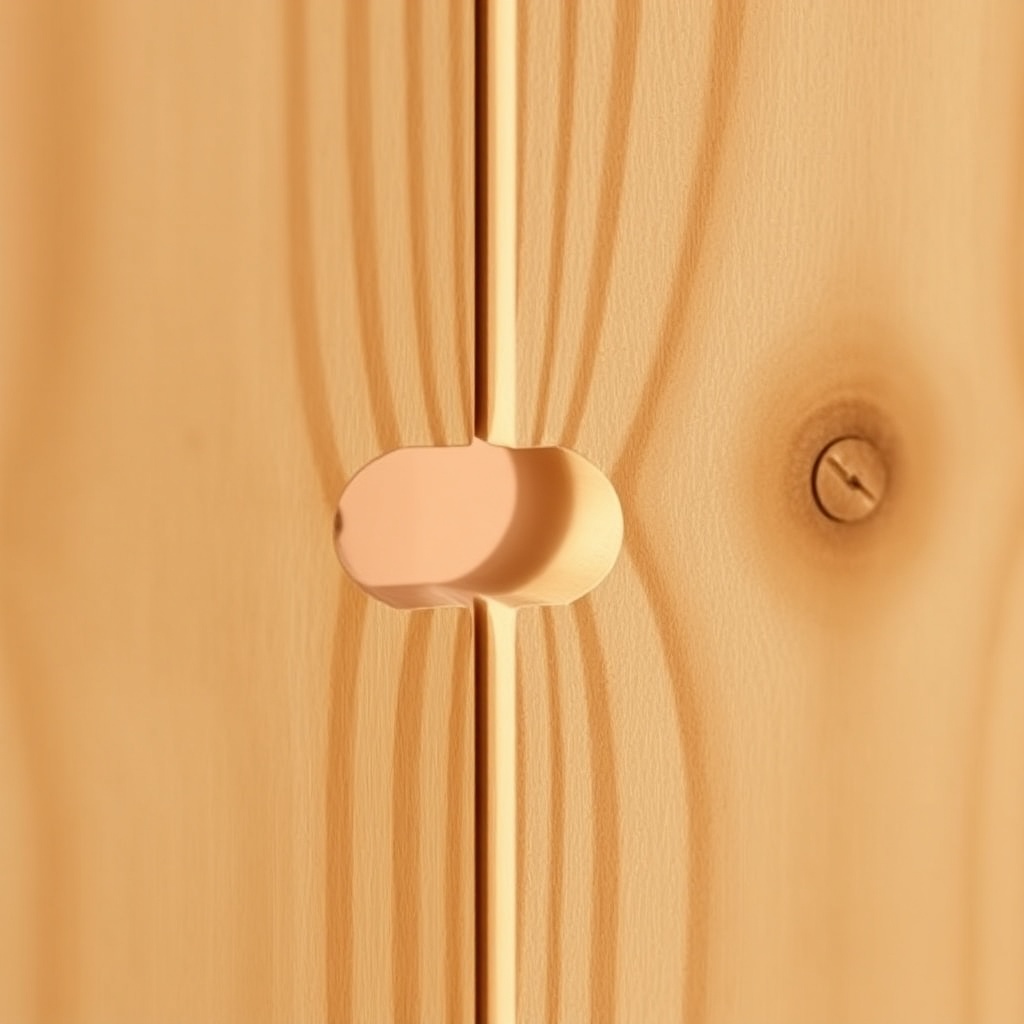
If the gap is accompanied by visible light or air movement, inspect the drawbore peg alignment. Loose or damaged pegs can allow the joint to separate. Re-drive existing pegs with a mallet; if they are loose, replace them with kiln-dried oak pegs from TimberHomes at roughly £3–£8 each. For a comprehensive guide on restoring antique joinery, see TimberHomes Post & Beam: Reclaiming and Restoring Antique Joinery.
What Causes Diagonal Cracking Around Peg Holes in My Frame?
Diagonal cracks radiating from peg holes are typically the result of over-driving pegs into undersized holes, leading to radial splitting in the timber. TimberHomes Post & Beam frames rely on pegs that are 1.5–2 inches in diameter, driven into holes that should be 1/16 to 1/8 inch smaller. If the peg is too large for the hole, the compressive stress exceeds the wood’s tensile strength, prompting cracks that can extend 3–6 inches into the beam.
To troubleshoot, assess crack length. Cracks under 2 inches can be filled with epoxy-based wood filler (e.g., TimberHomes-approved System Three GelMagic, available at £32 per 600 ml) and monitored annually. Cracks exceeding 4 inches necessitate a structural evaluation. The cause may also lie in the seasoning of the peg itself—green pegs shrink perpendicular to grain, exerting less stress than dry ones. If you suspect improper peg selection, examine the framing history: TimberHomes typically specifies kiln-dried white oak pegs for load-bearing connections.
Preventive measures include pre-drilling pilot holes at a 2-degree offset and lubricating pegs with beeswax (costing about £12 per block) before driving. For severe cases, you can install a stitch bolt—a ½-inch threaded rod with washer plates—across the crack. This hardware is available from TimberHomes for around £45–£70 per kit. Always verify with the TimberHomes Post & Beam: Essential Bracing Hardware for Structural Integrity guide before adding supplementary fasteners.
How Do I Fix Sagging in My TimberHomes Post & Beam Roof System?
Sagging in the roof system often originates from joinery failure at the principal rafter-to-tie beam connection. Over time, the mortise-and-tenon joint can loosen, allowing the rafters to settle by 10–20 mm. This is different from typical “roof creep” seen in some timber frames, which is a seasonal issue; persistent sagging signals a structural compromise.
Begin by measuring the deflection at the ridge and eave lines. Use a taut string line or laser level; a sag of more than 1/4 inch per 10 feet of span requires intervention. For TimberHomes frames built between 1980 and 2005, some units used a simpler half-lap joint at this connection, which may not provide sufficient resistance to racking forces. The solution involves installing supplementary knee braces with a minimum 4×6 inch cross-section, bolted to both the post and the rafter. TimberHomes offers pre-cut knee brace sets starting at £180 per pair.
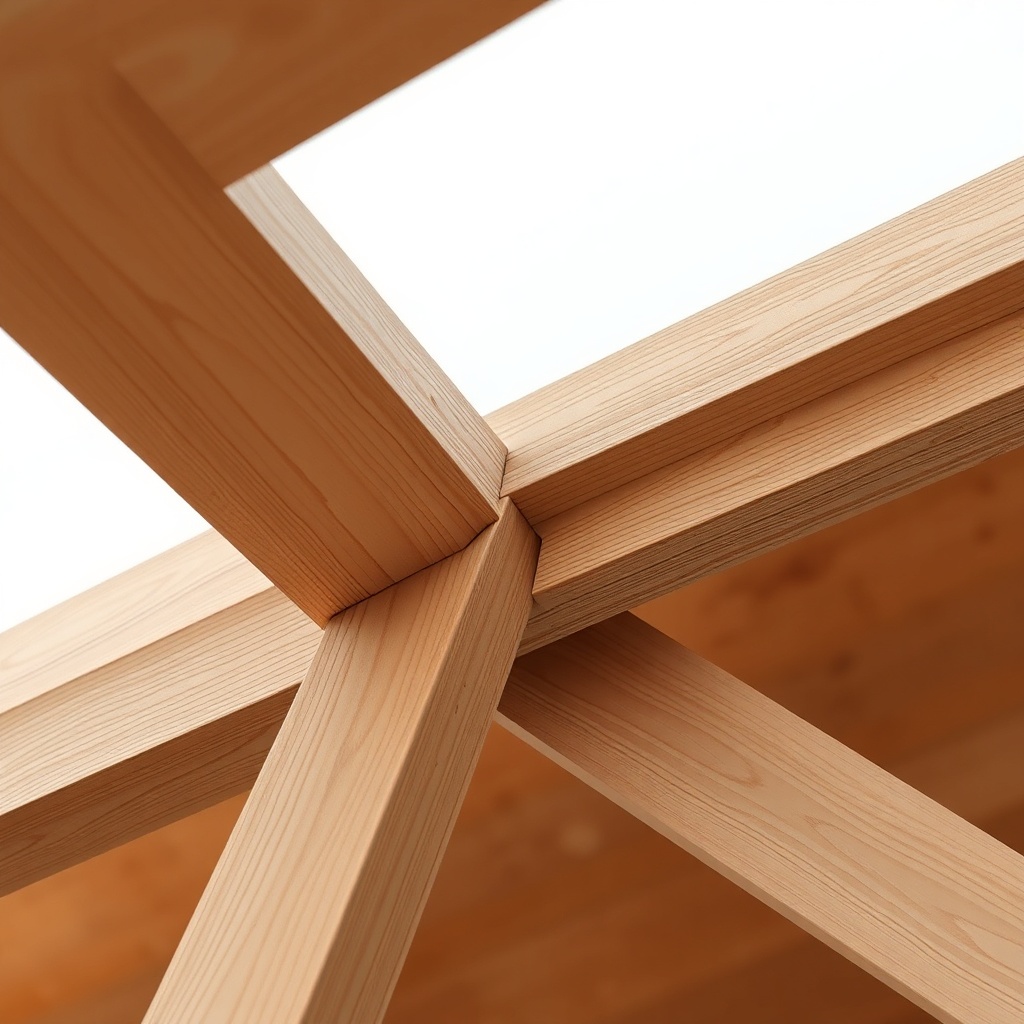
If the sag is accompanied by visible rotation of the tie beam, you may need to reinforce the entire roof diaphragm. The TimberHomes Post & Beam: Roof Systems and Structural Integrity article provides detailed guidance on installing collar ties and purlin supports. In extreme cases, engage a structural engineer to design a steel flitch plate retrofit, though TimberHomes frames rarely require such measures if joinery is sound.
What Should I Do When Joints Begin to Rot or Show Moisture Damage?
Moisture damage in joinery is a serious threat, especially in TimberHomes Post & Beam frames located in humid climates or near water sources. Rot starts where rainwater accumulates on horizontal beam surfaces or in poorly capped mortises. Look for darkening wood, soft spots when probed with a screwdriver, or a musty odour. Localized rot can be excavated and patched, but extensive damage requires joint replacement.
For early-stage rot (less than 1 inch depth), remove decayed wood using a chisel and apply a two-part epoxy consolidant. TimberHomes recommends Epoxy Works CPES, costing about £55 per quart, which penetrates the cell structure and hardens. After curing, fill the void with a wood-epoxy compound like TimberHomes Reprolam, priced at £80 per 1.5 kg kit. Ensure the repair is shaped to match the original joinery profile.
If the entire tenon or mortise is compromised (more than 30% of cross-section), you will need to cut out the damaged section and splice in new timber. TimberHomes can supply precut splice blocks for standard 8×8 inch posts at £120 each. For a full restoration protocol, refer to TimberHomes Post & Beam: Reclaiming and Restoring Antique Joinery.
One effective preventive measure is to improve roof overhangs and install drip edges. A simple copper drip edge for a typical TimberHomes eave costs £35–£60 from local hardware suppliers. Also, inspect all exterior joinery twice a year, focusing on the end grain of beams that project beyond the roofline.
Why Are My TimberHomes Post & Beam Joints Shifting Seasonally?
Seasonal joint shifting is a natural phenomenon in timber frames due to hygroscopic movement. In TimberHomes Post & Beam structures, 8-inch-wide white oak posts can expand or contract by up to 3/8 inch between summer humidity (70% RH) and winter dryness (30% RH). This movement manifests as slight audible creaks or visible gaps at joints. While generally benign, excessive shifting (greater than 1/4 inch) can loosen pegs and cause misalignment.
To differentiate normal movement from structural issues, measure gaps at three points: the joint’s top, middle, and bottom. If the gap is uniform across the joint, it is likely seasonal movement. Document the measurement in both August and January to establish the frame’s typical cycle. In most cases, no intervention is needed—simply allow the frame to breathe.
However, if the shifting causes the adjacent wall sheathing to buckle or doors to stick, consider adjusting the moisture content of the interior environment. Install a humidifier in winter to maintain 40–50% RH, and a dehumidifier in summer to keep levels below 60%. TimberHomes recommends using a whole-house humidifier from Aprilaire, costing around £400–£600 installed.
For frames where shifting is pronounced due to inadequate joinery tolerances, you may need to retrofit with adjustable steel straps. These straps, available from TimberHomes for £65 per set, attach at the beam ends and allow for slight movement while maintaining alignment. Additionally, ensure that all TimberHomes Post & Beam: Essential Cutting Tools and Techniques for Accurate Joinery were followed during initial cutting; poorly matched tolerances exacerbate seasonal shifts.
What Owners Say About TimberHomes Post & Beam Joinery Challenges
Owners of TimberHomes Post & Beam structures frequently praise the durability and beauty of the joinery, but common themes emerge regarding troubleshooting. One owner in Cornwall noted that after five years, two mortise-and-tenon joints in their great room showed 4 mm gaps, which they corrected using chased wedges—a solution that cost £90 and took an afternoon. Another owner from Scotland reported seasonal shifting in the kitchen wing, causing a door to bind; after installing a humidifier, the issue resolved within two months.
Several owners emphasize the importance of regular inspections. A couple in Devon discovered a small rot pocket in a column base only during a routine check; they treated it with epoxy for £65 and avoided a £1,200 replacement. Others caution against over-tightening pegs, noting that cracked peg holes are the most common DIY repair mistake. The consensus is that TimberHomes provides excellent after-sale support, offering free phone consultations for joinery concerns. Joinery-specific workshops are occasionally hosted at TimberHomes headquarters in Dorset, with registration fees of £50 per session.
For major retrofits, owners recommend recording all measurements and photographs before making any changes. One owner compiled a 30-page journal of their frame’s movement over six years, which helped a structural engineer diagnose a minor foundation settlement that mimicked joinery failure. Overall, with proactive monitoring and modest repair budgets (£200–£800 annually for typical frames), owners find TimberHomes Post & Beam joinery to be highly manageable.
Frequently Asked Questions About TimberHomes Post & Beam Joinery
How much does it cost to repair a loose mortise-and-tenon joint in a TimberHomes frame?
Minor tightness repairs using wedges and new pegs typically cost £50–£150 for a single joint. More involved repairs requiring epoxy consolidants or partial replacement can range from £300–£800 per joint, depending on timber species and accessibility.
Can I use modern screws to reinforce TimberHomes Post & Beam joinery?
No. Screws and nails can cause stress concentrations and splitting in timber frames. TimberHomes recommends only drawbore pegs or approved bracing hardware as described in TimberHomes Post & Beam: Essential Bracing Hardware for Structural Integrity. If reinforcement is necessary, use threaded rod with oversized washers.
How do I know if a crack in my beam is structural or cosmetic?
Measure the crack width and length. Cracks under 1/8 inch wide and less than 3 inches long are typically cosmetic and can be filled. Cracks wider than 1/4 inch or extending through the beam’s depth require evaluation. Use a crack monitoring gauge (£15 online) to track movement over six months.
What humidity level should I maintain for my TimberHomes frame to prevent joinery issues?
Maintain interior relative humidity at 40–50% year-round. Use a hygrometer to monitor levels. In winter, a humidifier may be needed; in summer, a dehumidifier. Rapid swings above 20% in 24 hours should be avoided.
Is it safe to drill new holes in my TimberHomes Post & Beam frame for wiring?
Only with extreme caution. Drill holes no larger than 1/4 of the beam width, and never within 6 inches of a joint or peg. TimberHomes recommends routing wires through baseboards or using surface-mounted conduit to preserve structural integrity. Refer to TimberHomes Post & Beam: Essential Cutting Tools and Techniques for Accurate Joinery for guidance on safe drilling procedures.
How often should I inspect the joinery on my TimberHomes Post & Beam structure?
Conduct a visual inspection twice a year—once in spring after the heating season, and once in autumn before winter. A deeper inspection, including checking peg tightness and measuring gap dimensions, is advisable every five years. Professional inspections by TimberHomes-certified framers cost around £250–£400.